Stainless steel, carbon steel or aluminum: which metal is used for circus equipment and why?
When choosing circus equipment, most performers focus on the design, construction, weight, or price of the product. However, there is another important factor that directly affects the equipment's durability, safety, and comfort during training and performances — the material it is made from.
The type of metal used determines the strength of the construction, its weight, corrosion resistance, service life, and maintenance requirements.
In this article, we take a closer look at the three most common materials used in the manufacture of professional circus equipment — stainless steel, carbon steel, and aluminum — and explain why different metals are chosen for different types of apparatus.
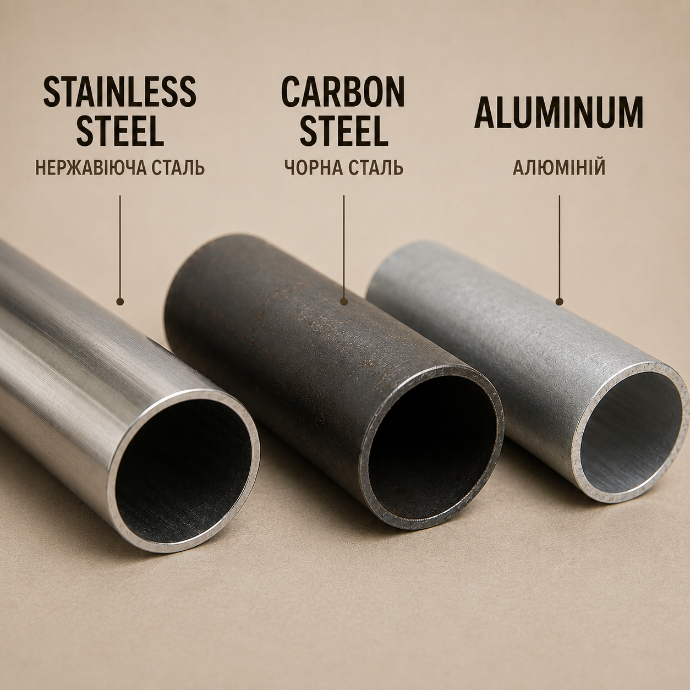
Stainless steel – when durability and a flawless appearance matter most
Stainless steel is a durable material with excellent corrosion resistance. It does not require painting and maintains its appearance for many years, making it a popular choice for professional circus equipment used under intensive conditions.
Stainless steel is available with either a matte or polished finish. Matte stainless steel is practical and easier to maintain, while polished stainless steel has a mirror-like surface that creates a premium stage appearance. Because of the additional finishing process, polished stainless steel is more expensive than the matte version.
Advantages
- Excellent corrosion resistance
- Does not require painting or protective coatings
- Retains its polished, professional appearance for years
- Extremely strong and durable
- Easy to clean and maintain
- Ideal for intensive, long-term use
Disadvantages
- More expensive than carbon steel
- Heavier than aluminum
- More difficult to machine and manufacture
Typical applications
Stainless steel is the best choice for equipment that:
- is used outdoors;
- comes into frequent contact with the performer's hands;
- must withstand intensive, long-term use;
- is expected to maintain its appearance for many years.
Our stainless steel products
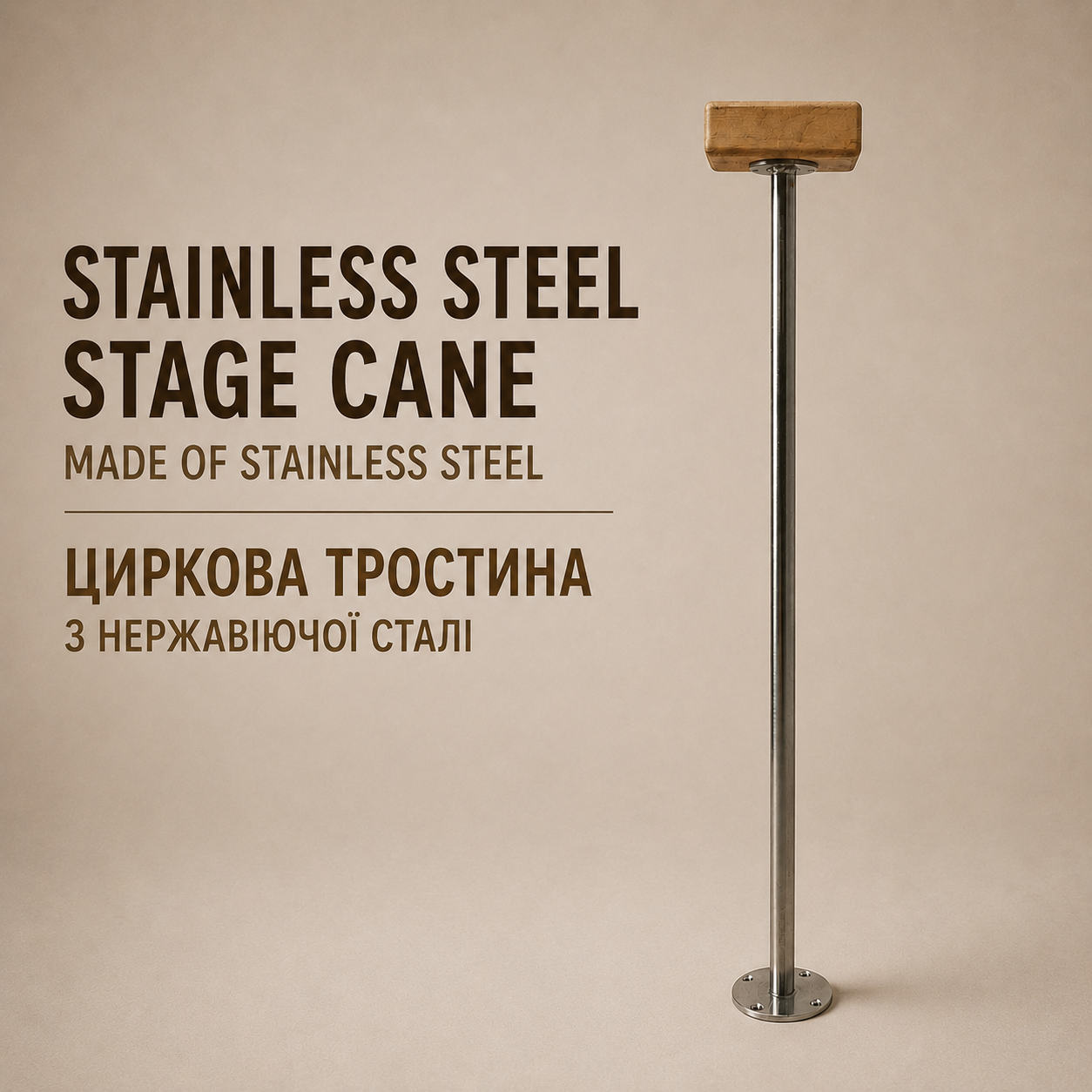
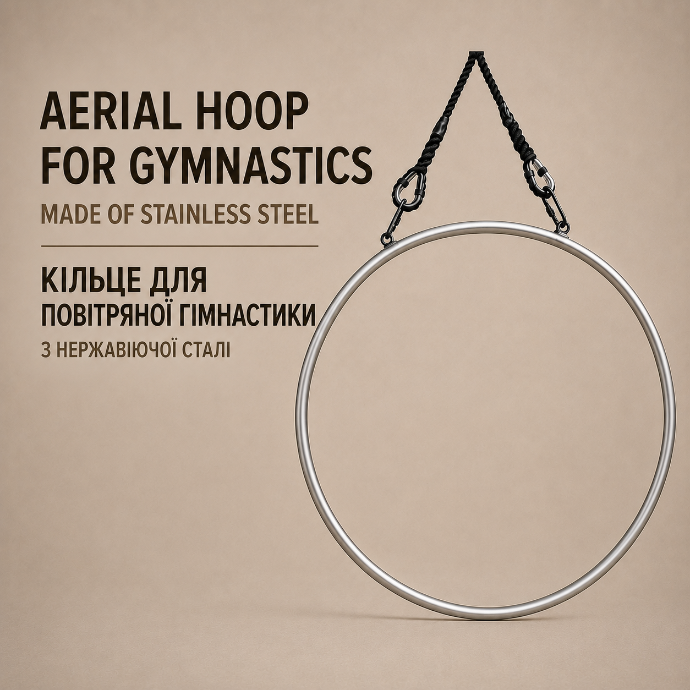
For equipment where durability, corrosion resistance, and a premium appearance are essential, we use thick-walled stainless steel tubing.
Our Stage Canes and Aerial Hoops are manufactured from this material. Their polished stainless steel surface creates an elegant look on stage, requires no painting, resists moisture, and maintains its original appearance even after years of professional use.
Carbon steel – maximum strength for load-bearing structures
Carbon steel is one of the most widely used materials in the manufacture of professional circus equipment. It offers exceptional strength, withstands heavy loads, and allows for the production of durable, complex structures.
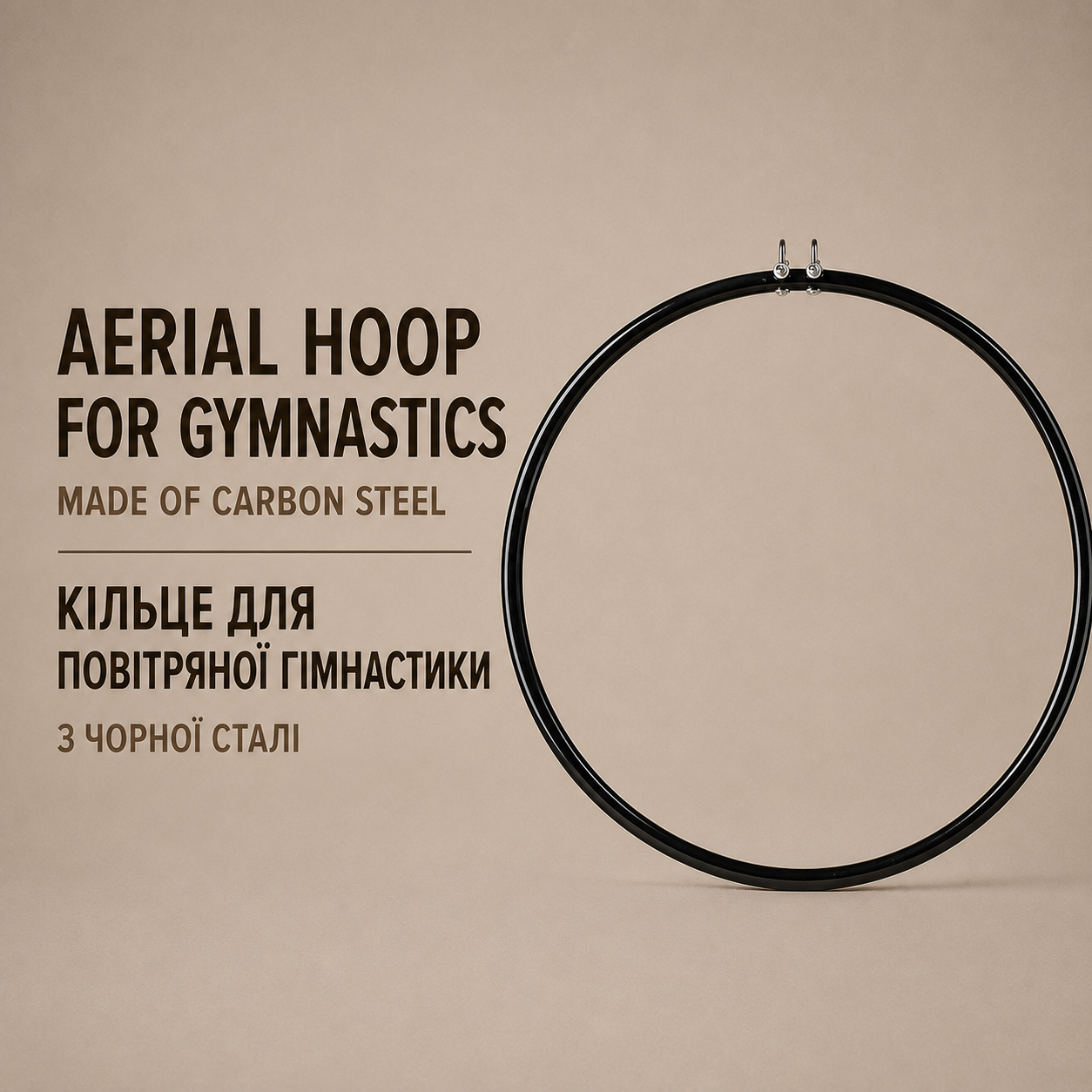
Because carbon steel is susceptible to corrosion, all of our products undergo powder coating after fabrication. This finish provides reliable protection against rust while creating a durable, high-quality decorative surface.
Advantages
- Extremely high strength
- Cost-effective material
- Excellent structural rigidity
- Easy to weld and fabricate
- Withstands heavy static and dynamic loads
Disadvantages
- Requires a protective coating
- Corrosion may occur if the coating is severely damaged
- Heavier than aluminum
Typical applications
Carbon steel is commonly used for manufacturing:
- Load-bearing frames
- Structural frameworks
- Support systems
- Training equipment
- Stage structures
- Professional acrobatic apparatus
Our thick-walled steel products
For equipment designed to withstand high loads, we use thick-walled steel tubing. After fabrication, every component is finished with a durable powder-coated surface that protects the steel from corrosion and significantly extends its service life.
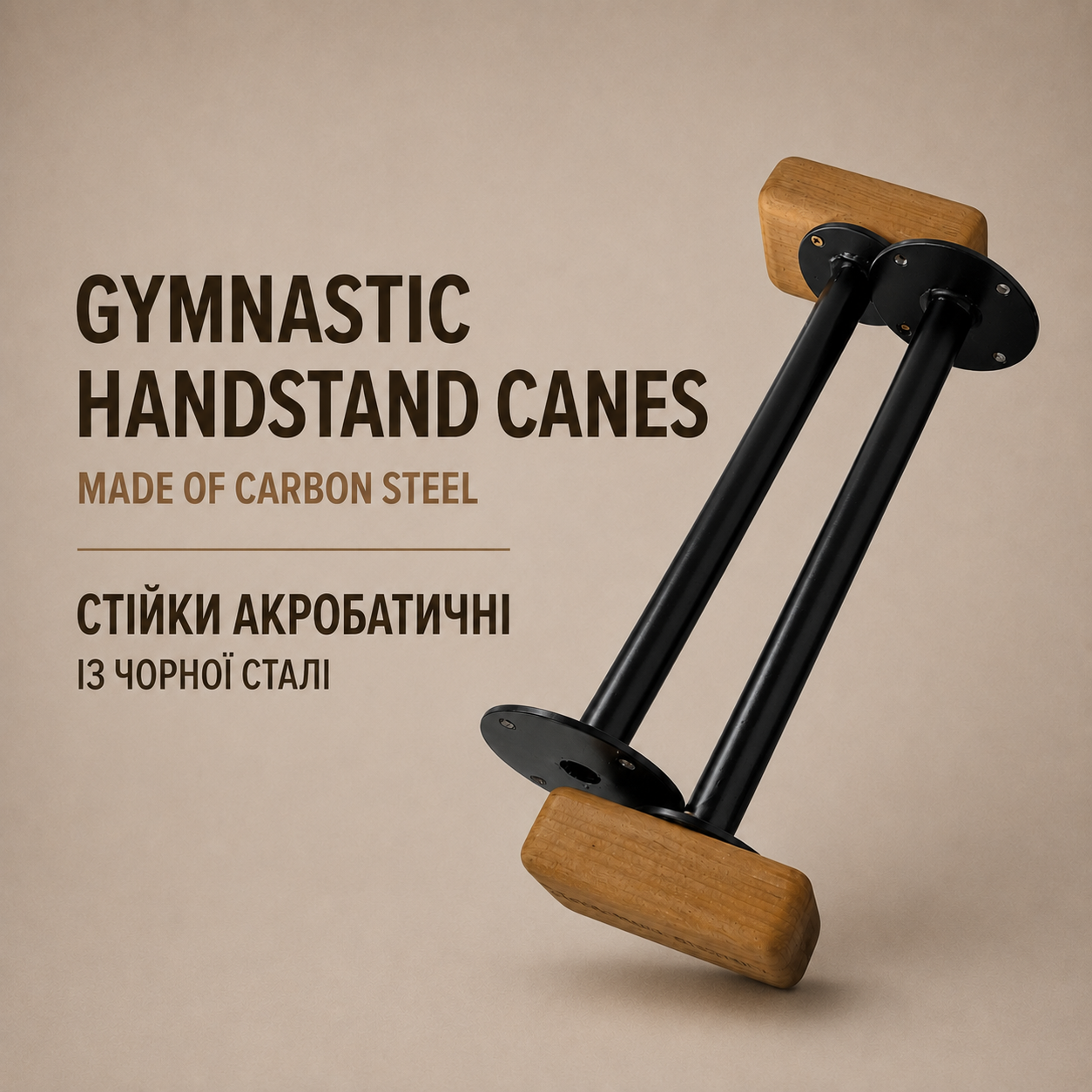
This manufacturing process is used for our:
Thick-walled steel provides the structural rigidity, strength, and long-term durability required for intensive daily training and professional stage performances.
Aluminum – when low weight is the top priority
Aluminum is a lightweight metal with excellent natural corrosion resistance. It is widely used in professional circus equipment when reducing the overall weight of the apparatus is important. For components that come into contact with the hands, bare aluminum is not used, as it can leave dark marks on the skin. Therefore, aluminum parts are always finished with anodizing or a durable powder-coated finish, providing surface protection, improved wear resistance, and a comfortable grip.
Advantages
- Very lightweight
- Naturally corrosion-resistant
- Easy to transport
- Modern, attractive appearance
Disadvantages
- Less rigid than steel
- Lower strength than steel at the same dimensions
- More expensive than carbon steel
- Not always suitable for structures subjected to very high loads
Typical applications
Aluminum is most commonly used for:
- Portable structures
- Equipment that is transported frequently
- Exhibition and stage systems
- Auxiliary circus equipment
- Products where minimizing weight is a key requirement
Why we use thick-walled tubing
When manufacturing professional circus equipment, not only the type of metal but also the wall thickness of the tubing plays a crucial role.
Many manufacturers use thin-walled tubing to reduce weight and production costs. We choose thick-walled tubinginstead because it provides significantly greater structural rigidity, withstands repeated loads more effectively, and offers a higher safety margin.
That is why our equipment is designed for intensive training, professional performances, and many years of reliable use.
Material comparison
Feature | Stainless steel | Carbon steel | Aluminum |
|---|---|---|---|
| Strength | ★★★★★ | ★★★★★ | ★★★☆☆ |
| Weight | ★★★☆☆ | ★★★☆☆ | ★★★★★ |
| Corrosion resistance | ★★★★★ | ★★☆☆☆ | ★★★★★ |
| No painting required | ✔ | ✖ | ✔ |
| Durability | ★★★★★ | ★★★★☆ | ★★★★☆ |
| Cost | High | Most affordable | Medium to high |
Why there is no universal metal
A common question is: If stainless steel is so good, why not manufacture all circus equipment from it?
The answer is simple—there is no universal material.
For some types of equipment, maximum corrosion resistance and a flawless appearance are the top priorities. For others, structural rigidity or cost-effectiveness is more important. In some cases, minimizing weight is the deciding factor.
That is why a professional manufacturer selects the most suitable material for each type of apparatus individually, taking into account its intended use, expected loads, and operating conditions.
Which metal should you choose?
Choosing the right material is not about which metal is "better"—it's about selecting the one that best suits the intended use of the equipment.
Choose stainless steel if:
- A flawless, premium appearance is important.
- The equipment is frequently used outdoors or in humid environments.
- You need a material that requires no painting and is highly resistant to corrosion.
- You want maximum durability with minimal maintenance.
That is why we manufacture our Stage Canes from polished thick-walled stainless steel.
Choose powder-coated carbon steel if:
- The structure must withstand heavy loads.
- Strength and structural rigidity are essential.
- The equipment is used for regular training or professional performances.
- You are looking for the best balance between durability and cost.
We use this material to manufacture our Aerial Hoops and Gymnastic Handstand Canes.
Choose aluminum if:
- Keeping the equipment as lightweight as possible is your highest priority.
- The apparatus needs to be transported frequently.
- Easy handling, assembly, and transportation are important.
Aluminum is an excellent choice for portable structures and auxiliary equipment. However, for apparatus designed to withstand high loads, professional manufacturers generally prefer steel.
Not sure which material is right for you?
When choosing circus equipment, it's important to consider more than just the material. Factors such as your training style, the performer's weight, the operating environment, and the expected frequency of use all play an important role.
If you're unsure which option best suits your needs, feel free to contact us. We'll help you choose the most suitable material and construction to ensure maximum reliability, durability, and performance.
Conclusion
Selecting the right material is one of the most important factors in the reliability and longevity of professional circus equipment.
That is why we use different metals depending on the intended application of each product. Our Stage Canes are manufactured from polished thick-walled stainless steel, providing outstanding corrosion resistance and a premium appearance. Our Aerial Hoops and Gymnastic Handstand Canes are made from thick-walled carbon steel with a durable powder-coated finish, ensuring exceptional strength and a long service life.
We choose materials not because they are cheaper or more expensive, but because they are the best fit for the specific demands of each product. This approach allows us to create professional circus equipment that meets the expectations of performers while providing safety, reliability, and comfort during both training and stage performances.
If you still have questions:
- Write to info@circusforyou.com.
- Write to messengers (links at the top of the site) or in social networks.
It is very easy to order Aerial Hoops Lyras, Gymnastic Handstand Canes or Stage Canes through our website using the shopping cart.